23 May, 2022
Permaculture and Organic Farming
Permaculture FarmingPermaculture originated from permanent agriculture, whichwas later modified to permanent culture to include social setup into the concept. Bill Mollison, a professor of biogeography and environmental psychology at the University of Tasmania and David Holmgren, an Australian environmental designer, ecological educator and writer, invented the termpermaculture in 1978. The word is made from the amalgamation of the terms- permanent, agriculture, and culture. Mollisondescribed permaculture as the“harmonious integration of the landscape with people providing their food, energy, shelter and other material and non-material needs in a sustainable way.” According to the Permaculture Research Institute, permaculture is working with nature instead of working against it.
The basic premise of the concept is to stop wasting natural resources and reusing the available supplies by observing the natural habitats and mimicking them. It suggests conservation of natural resources,recyclingand sharing of surplus supplies with others to save the planet. Its basic principles include forestry, rainwater harvesting, energy conservation, waste management, aquaculture, community development, etc.
Permaculture propagates sustainable living through the creation of a self-sustaining agricultural ecosystem that brings together humans, land, resources and the environment. Thus, it involves the cultivation of land and its utilisationin rural and urban areas based on the observations made in thriving natural systems. It encompasses architectural planning, regenerative agriculture, renewable energy, protection of wilderness and sustainable community living.
Organic FarmingOrganic farming became popular in the 20thCentury and has been widely adopted across the globe. It is interesting to know that more than half of certified organic farming takes place in Australia. Organic farming is the use of natural materials as fertilisers instead of chemicals and harmful substances that damage the soil. It includes the use of compost manure and cultivation methods like crop rotation and companion planting to maintain food safety, biodiversity and sustainability.
Thus, naturally occurring substances are used as pesticides and insecticides that encourage soil fertility and organic diversity. It ensures theelimination and restriction of synthetic fertilisers, growth hormones, toxic pesticides, genetically modified organisms, etc. However, organic farming leads to lower production of food than conventional agriculture.
Permaculture and Organic FarmingPermaculture is a step ahead of organic farming because it is not just limited to the use of natural fertilisers. It involves the complete ecosystem that focuses on creating a design that reduces the use of non-renewable sources of energy, manages waste efficiently, promotes organic diversity, causes minimum pollution, and utilises energy from sun, wind and water.
Another difference between organic farming and permaculture is that the latter usually cultivate perennial foods that provide a harvest for a long time. On the other hand, organic farming concentrates on seasonal produce. Thus, permaculture farmers do not have to invest too much time and energy in the maintenance of the crops.
In addition, organic farming is not concerned about the wastage of natural resources and non-renewable energy. It can use gallons of water to grow certified organic crops. However, permaculture uses diversity and produces a variety of crops together. Each of the varieties performs a specific function, such as improving fertility, attracting insects that are helpful in cultivation, dissuading pests and reducing the loss of water. These farms are not dependent on irrigation water but use harvested rainwater to avoid wastage and better utilisethe resources.
Permaculture does not turn the soil frequently and restricts the practice to just once a year. If any area seems to be less fertile, it is replenished with organic manure and compost. The focus is on making the soil more fertile and enriched rather than tilling it and making it devoid of nutrients. Some permaculture farmers may use inorganic fertilisers to increase the diversity of their ecosystem. However, the best type of agriculture is a combination of both permaculture and organic farming.
EndnoteIt is evident that permaculture and organic farming together ensure the best produce in a natural and sustainable environment. It works on conserving and storing energy, using renewable resources, producing zero waste, integrating livestock, birds, insects and plants into the same ecosystem, valuing diversity, reducing the use of toxins and contaminants, and concentrating on self-sufficiency.
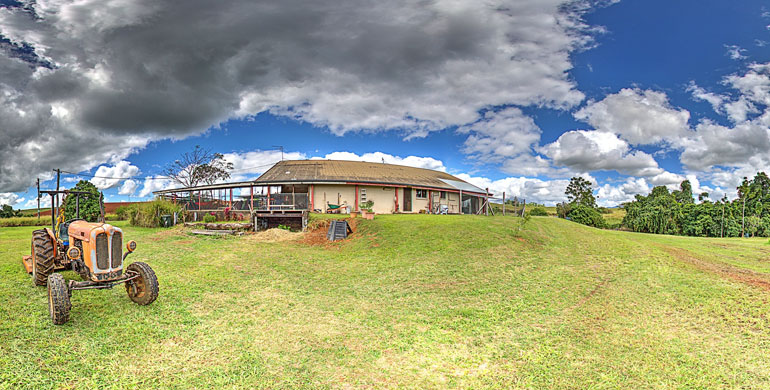
NQ Comfrey is using permaculture and organic farming on beautiful farmland in tropical Far North Queensland. Maintained by a PhD scientist, the chemical-free, enriched and fertile farmland is used to produce pure and organic Comfrey that is used to develop medicinal products.


